Healthy Filipino dishes to break a fast: arroz caldo, tinola and lauya
Arroz caldo, tinola and lauya, made a little lighter, and why they suit the first meal after a fast.
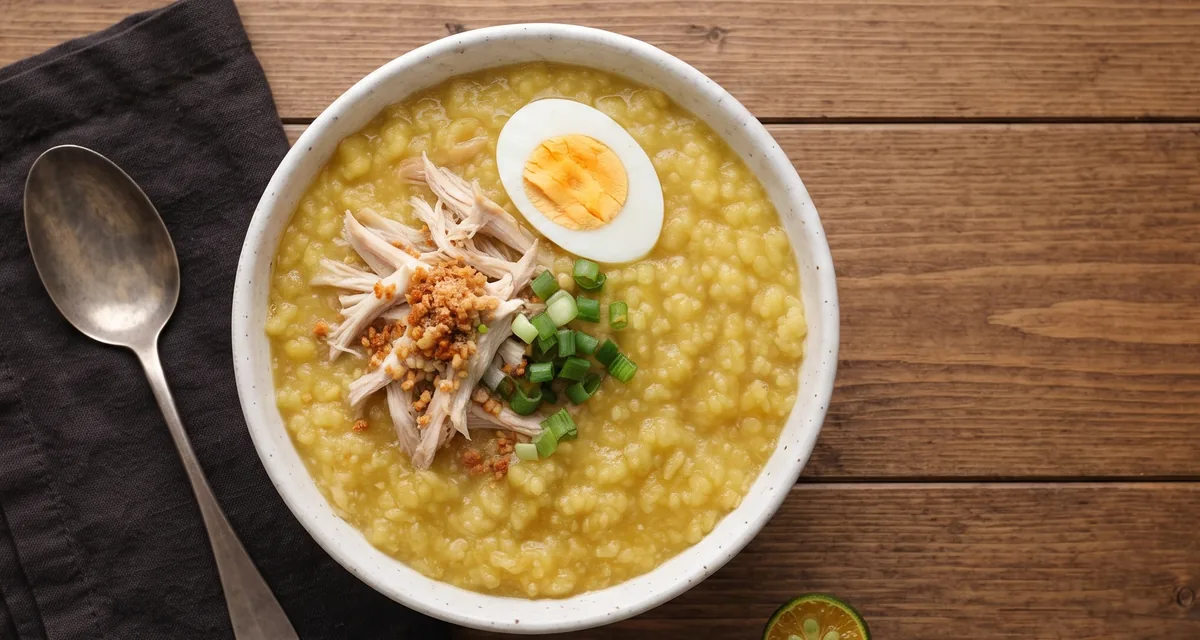
Arroz caldo, tinola and lauya are the Filipino comfort foods I grew up eating, including when I was sick or wanted something light. Arroz caldo is the one most people know, and lauya is my favorite. Ours is the Ilocano version. All three are simple pots of broth with ginger or garlic and not much else, which is exactly why they work when you are ending a fast and your stomach wants something easy.
Here is how each one works, and how I lighten them so they are a little less fatty without losing what makes them taste like home.
Why broth and porridge make a good first meal
Breaking a fast gently usually means something small, warm and simple, eaten slowly. Broth-based soups and porridges fit that: they are warm, they bring fluid along with the food, and they are easy to eat in small portions. Put the protein and the vegetables in the bowl, keep the broth clear, and go slowly. For more on the basics, see our guide to gentle ways to break a fast.
Arroz caldo
Arroz caldo is a Filipino chicken rice porridge, a type of lugaw, with a lot of ginger. The name is Spanish for "rice broth." It is usually made with glutinous rice (malagkit), though regular rice cooked with extra water works too. The chicken simmers in the ginger broth, then gets shredded and returned to the pot with the rice. It is classic comfort food, eaten for breakfast, on cold or rainy days, and when someone is sick. Common toppings are toasted garlic, a hard-boiled egg, calamansi and a little fish sauce. At our table it came with a hard-boiled egg on top, or my mom would use quail eggs instead. Safflower (kasubha) gives it its yellow color, and turmeric is a common substitute. You only need a spoon for this one.
Lighter arroz caldo serves 4
Ingredients
- 600 g (about 1.3 lb) bone-in skinless chicken thighs or drumsticks
- 1 tsp oil
- 1 onion, finely chopped
- 4 garlic cloves, minced, plus 2 more cloves sliced thin for the topping
- A 3-inch piece of ginger, cut into thin matchsticks
- 1 cup glutinous rice, or 3/4 cup regular rice, rinsed
- 7 cups water
- 1.5 tbsp fish sauce, plus more to taste
- 1/2 tsp turmeric (optional, for color)
- To serve: sliced green onions, calamansi or lemon wedges, black pepper, and a hard-boiled egg for each bowl, or 3 to 4 peeled boiled quail eggs
Steps
- Warm the oil in a pot over medium heat. Cook the onion, garlic and ginger for 2 to 3 minutes until fragrant.
- Add the chicken and fish sauce and cook 3 to 4 minutes, turning once.
- Pour in the water, bring to a boil, then lower the heat and simmer, covered, for 25 to 30 minutes until the chicken is cooked through. Skim off the fat.
- Take out the chicken, let it cool a few minutes, then shred it and discard the bones.
- Add the rice (and turmeric) to the broth. Simmer, stirring often so it does not stick, for 20 to 25 minutes until soft and thick. Add a little hot water if it gets too thick.
- Return the chicken to the pot and season with fish sauce.
- Toast the sliced garlic in a dry or barely oiled pan until golden. Serve the porridge topped with the garlic, green onions, a squeeze of calamansi and pepper.
How I lighten it: skinless chicken, one teaspoon of oil, skimming the broth, and toasting the garlic with almost no oil. The ginger and calamansi carry the flavor. For breaking a fast, start with a small bowl, since this one is rice and fills you up fast.
Keep your meals and routines in one place
Log meals, water and your daily rituals in one private journal. Free, no sign-up, and it stays on your device.
Open Glowsince


Tinola
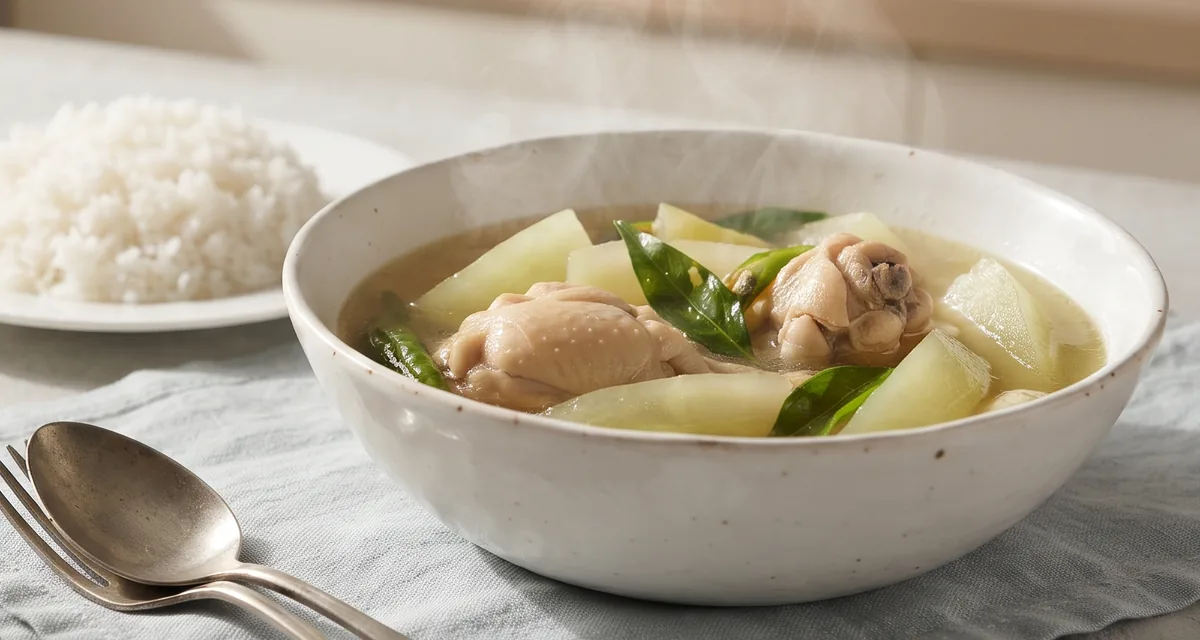
Tinola is a ginger soup. Traditionally it is made with chicken (fish also works), wedges of green papaya or chayote, and leaves, in a broth of ginger, onion and fish sauce. It even shows up in José Rizal's novel Noli Me Tangere. For the leaves, my parents always used malunggay (the leaves of the moringa tree, known as marunggay in Ilocano). Chili pepper leaves, called dahon ng sili, are the other common choice. We serve it with steamed white rice, and we eat it with a spoon and fork, the way Filipinos do.
Lighter tinola serves 4
Ingredients
- 1.2 kg (about 2.5 lb) bone-in chicken thighs and drumsticks, skin removed
- 1 tsp oil
- 1 onion, sliced
- 3 garlic cloves, minced
- A 2-inch piece of ginger, cut into thin matchsticks
- 1.5 tbsp fish sauce, plus more to taste
- 6 cups water
- 1 small green papaya (about 400 g), peeled and cut into wedges, or 2 chayote
- 2 cups malunggay (moringa leaves, marunggay in Ilocano), or chili pepper leaves (dahon ng sili), or spinach
- Black pepper
- Steamed white rice, to serve
Steps
- Warm the oil in a pot over medium heat. Cook the onion, garlic and ginger for 2 to 3 minutes until fragrant.
- Add the chicken and fish sauce. Cook for 5 minutes, turning, until the outside turns opaque.
- Pour in the water. Bring to a boil, then lower the heat, cover and simmer for 30 to 35 minutes.
- Skim any fat and foam from the top.
- Add the papaya or chayote. Simmer 8 to 10 minutes until tender.
- Stir in the leaves, turn off the heat, and let them wilt for a minute. Season with pepper and more fish sauce if needed. Serve with steamed white rice.
How I lighten it: remove the chicken skin, use only a teaspoon of oil, and skim the broth. The ginger carries the flavor, so you do not miss the fat.
Lauya (Ilocano)
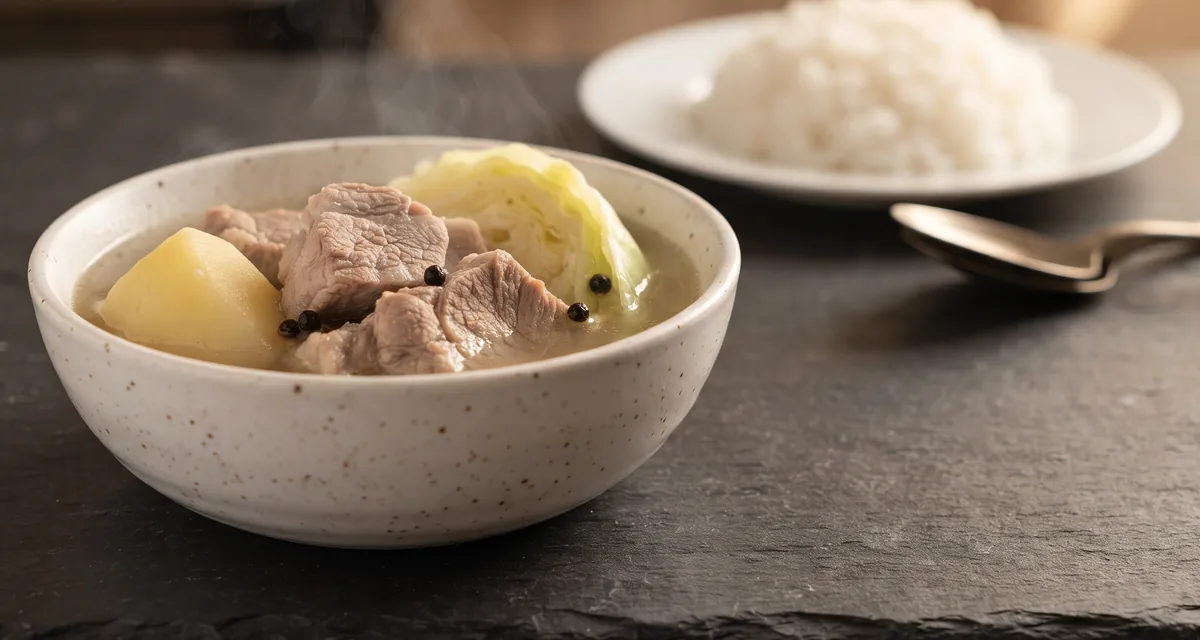
Lauya is a Filipino stew closely tied to the Ilocos region. The name is thought to come from the Spanish "la olla," the clay pot it was cooked in. It is usually pork or beef, often bony cuts, simmered for a long time with very few vegetables (typically potatoes and cabbage), a little vinegar to temper the meat, fish sauce, and whole or coarsely ground peppercorns. The meat and bones do the work, so the broth ends up deep without a long ingredient list. Like tinola, we serve it with steamed white rice and eat it with a spoon and fork.
The catch is that the traditional cuts, like pork knuckles or ham hock, are fatty. That is where the lightening happens.
Lighter lauya serves 4
Ingredients
- 900 g (2 lb) lean pork shoulder or beef shank, trimmed of visible fat and cut into large chunks
- 1 onion, quartered
- 4 garlic cloves, smashed (or a 2-inch piece of ginger if you use beef)
- 1 tsp whole black peppercorns
- 1 tbsp vinegar
- 1.5 tbsp fish sauce, plus more to taste
- 8 cups water
- 2 medium potatoes, in chunks
- 1/4 head cabbage, cut into wedges
- Steamed white rice, to serve
Steps
- Put the meat in a pot, cover with water, and bring to a boil. Boil for 5 minutes, then drain and rinse the meat and the pot. This gives a cleaner, less fatty broth.
- Return the meat to the pot with the onion, garlic or ginger, peppercorns, vinegar, fish sauce and 8 cups of fresh water.
- Bring to a boil, lower the heat and simmer gently, partly covered, for 1.5 to 2 hours until the meat is very tender.
- Let the pot rest a few minutes and spoon off the fat from the top. For the leanest result, chill it and lift off the fat once it sets, then reheat.
- Add the potatoes and simmer 15 minutes. Add the cabbage for the last 5 minutes.
- Taste and adjust the fish sauce. Serve hot with steamed white rice.
How I lighten it: choose a leaner cut, boil and rinse the meat first, and remove the fat from the top of the pot. Keep the vinegar and the peppercorns, since they are part of what makes it lauya.
If you are breaking a fast with these
- Start with a small bowl, mostly broth, with a few pieces of chicken or meat and vegetables, and eat slowly.
- Wait a bit before having more, and keep the rice for later or in a small portion.
- Skip the splash of fish sauce at the table if the broth already tastes salty to you.
Other Filipino dishes worth trying: sinigang, a sour tamarind soup that works with fish, shrimp or lean pork, and ensaladang talong, a grilled eggplant salad.
Fasting is not for anyone under 18. Check with your clinician before fasting if you are pregnant or nursing, have diabetes or take medication that affects blood sugar, or have a history of disordered eating. Fasting is not right for everyone. This is general food information, not dietary or medical advice.
Keep reading
 Intermittent fasting: a gentle beginner's guide
 Gentle ways to break a fast
 How to make a good soup
Things people keep in the kitchen for these dishes Affiliate links
Ad disclosure: As an Amazon Associate, Glowsince earns from qualifying purchases. Buying through these links costs you nothing extra.