Intermittent fasting: a gentle beginner's guide
Intermittent fasting is an eating schedule, not a diet. Here is what it is, what the research does and does not show, who should skip it, and a gentle way to try your first week.

What intermittent fasting actually is
Intermittent fasting means eating within set windows and leaving regular gaps between them. It is about when you eat, not what you eat. The idea behind it is that a longer break from food gives your body time to use up its stored sugar and draw on stored fat for energy.
You may already do a mild version without calling it that. If dinner ends at 7 pm and breakfast is at 7 am, that is a 12-hour overnight gap. Most intermittent fasting plans simply stretch that gap a little further on purpose.
The common patterns
There is no single correct schedule. These are the ones you will see most often, from gentlest to most demanding:
- 12:12. Twelve hours without food, twelve hours to eat. A comfortable place to start for most people.
- 14:10. Fourteen hours off, ten hours on. Often the next step once 12:12 feels easy.
- 16:8. Sixteen hours off, an eight-hour eating window. Probably the best-known version, and usually means skipping either breakfast or a late dinner.
- 5:2. Eat normally five days a week and keep two days to a single small meal. This one is a different style of fasting and needs more planning.
Much longer fasts, such as 24 to 72 hours, are not automatically better and can be risky. If a plan asks you to go that far, treat it as a conversation to have with your doctor first.
What the research says, and what it does not
The honest summary is promising but unfinished. Some studies in people have found small improvements in things like weight, blood pressure, resting heart rate and blood sugar. Animal research has been more dramatic, but animals are not people.
There are also real open questions. Researchers do not yet know the long-term effects. Some studies find that eating fewer calories overall gives similar results, which suggests the schedule itself may not be the magic part. And early research has raised questions about very short eating windows that have not been settled either way.
The practical takeaway: intermittent fasting is one option, not a requirement for health. If it fits your life and you feel good, it is a reasonable thing to try. If it makes you miserable, other eating patterns can work as well.
Who should not fast, or should ask first
This is the part worth reading twice. Intermittent fasting is not appropriate for everyone. Please talk to a doctor before starting, or skip it, if any of these apply to you:
- You are under 18.
- You are pregnant or breastfeeding.
- You have a history of an eating disorder, or fasting tends to make you preoccupied with food.
- You have diabetes, especially if you use insulin or other medication that can cause low blood sugar.
- You take regular medication that needs to be taken with food.
- You are at higher risk of bone loss or falls.
If you are not sure whether you belong on this list, that is a good reason to ask.
A gentle first week
Starting small matters more than starting strict. Here is a simple way to ease in without turning it into a project:
- Days 1 to 3: pick a 12:12 window you can keep, such as 7 am to 7 pm. Finish dinner, close the kitchen, and see how you feel the next morning.
- Days 4 to 5: if that felt easy, move the first meal about an hour later. Keep water, tea or black coffee available.
- Days 6 to 7: try a 14:10 window on the days that suit you. Skip it on days with a hard workout, a big work push or a social dinner.
Staying flexible is part of the plan. Consistency over weeks counts for more than a perfect day.
What the first few weeks can feel like
Expect an adjustment period. Many people feel hungrier or a bit irritable at first, and that can take a few weeks to settle. Eating enough protein and fiber during your window helps, and so does drinking water through the morning.
Some symptoms are a reason to stop and not push through. Strong dizziness, a pounding headache, nausea, unusual anxiety, or feeling faint all mean it is time to eat and check in with your doctor. Constipation and changes to your menstrual cycle have also been reported, and are worth mentioning to a professional if they persist.
Time your fasts and see your progress
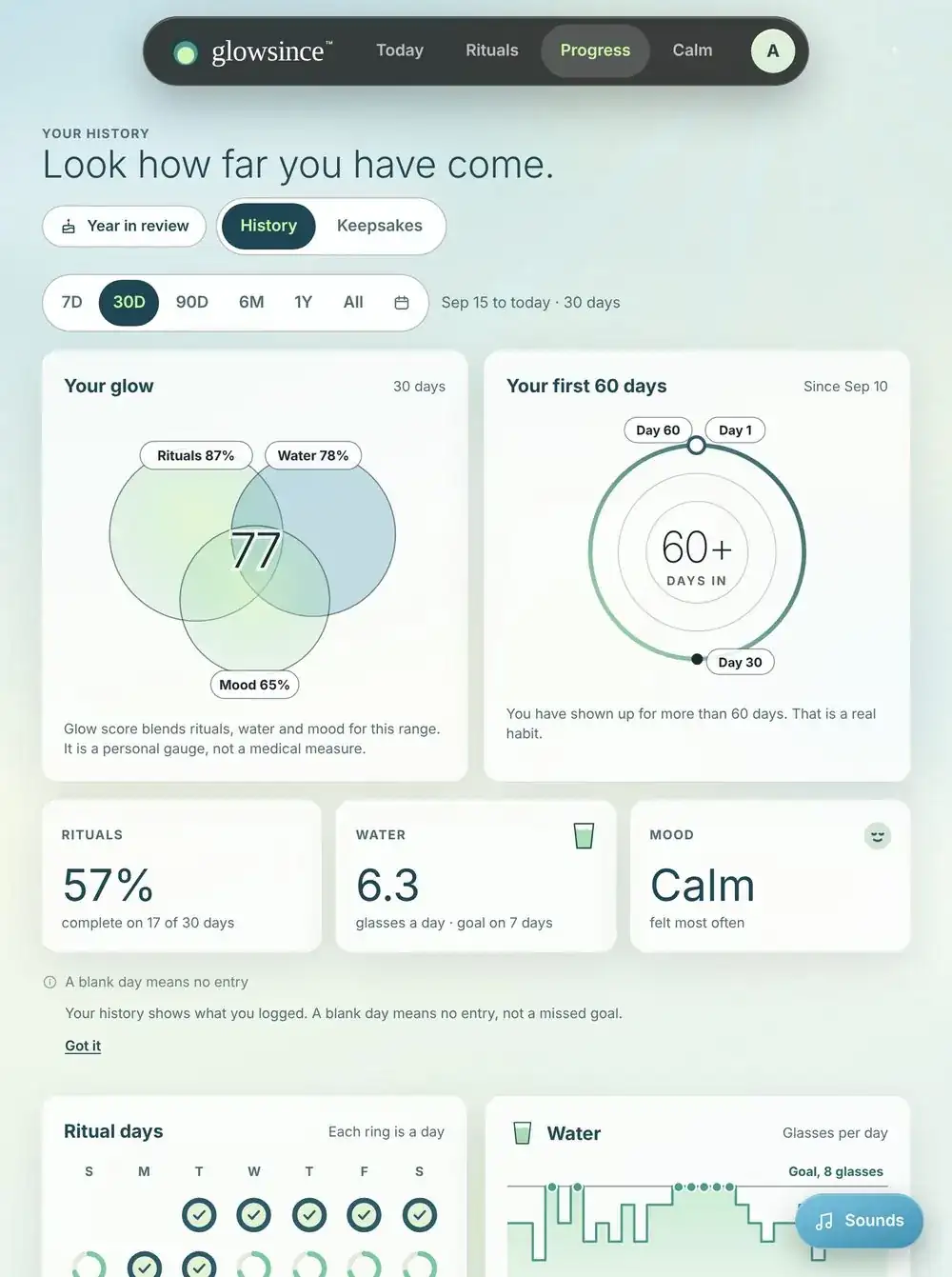
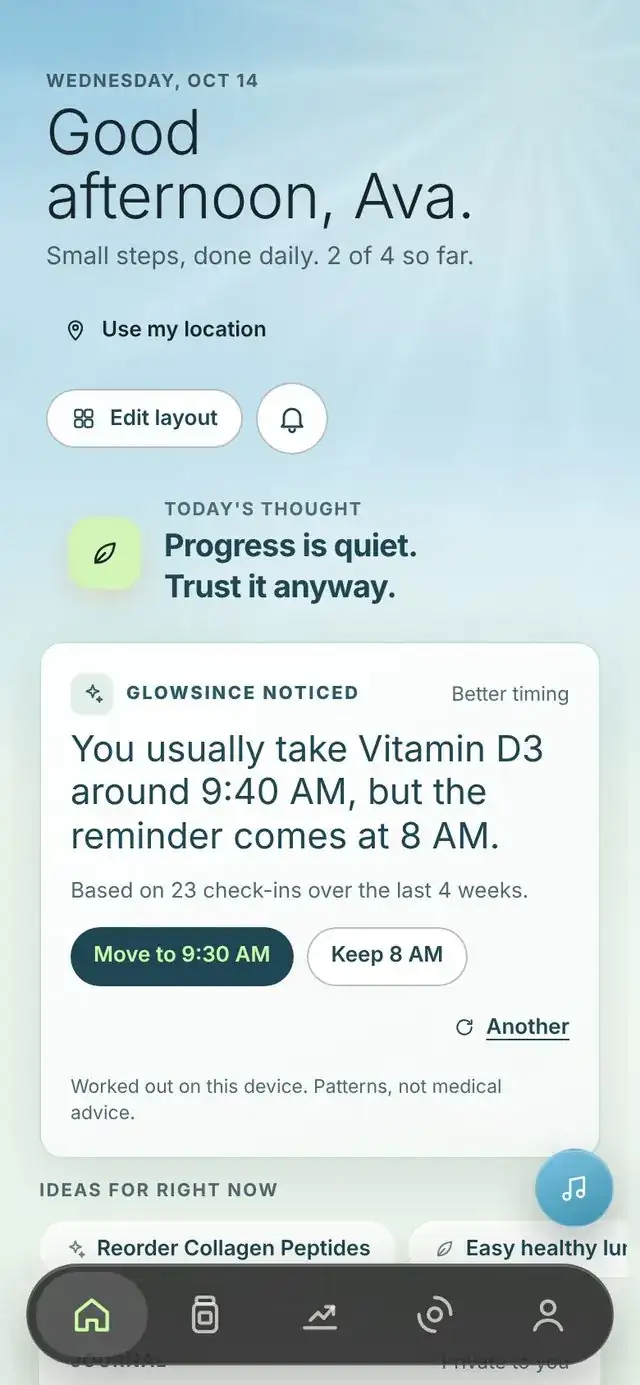
Start a fasting timer, log water and watch your routine add up. Free, no sign-up, and it stays on your device.
Start a fast timer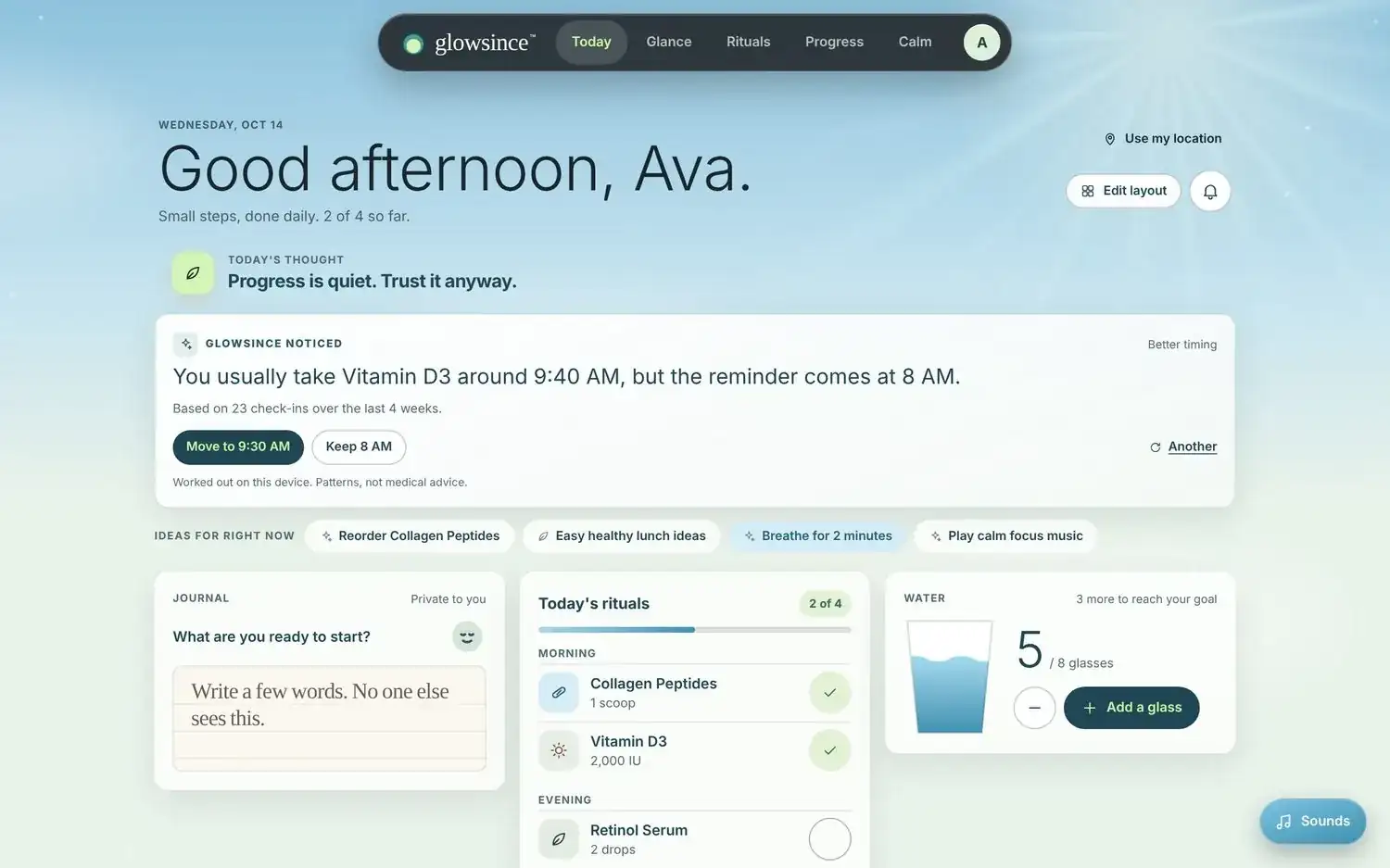
Breaking your fast well
How you end a fast matters. A big, rich meal right away can leave you uncomfortable. Many people do better starting with something small and simple, such as yogurt, eggs, fruit or a bowl of soup, then eating the rest of the meal slowly.
We cover this in more detail in our short guide to gentle ways to break a fast, and the middle stretch of a fast in getting through your fast.
Mistakes that make fasting harder
- Going too long too soon. Jumping straight to 16:8 or beyond is the most common reason people quit in week one.
- Under-eating inside the window. Fasting is not a license to skip meals or cut calories sharply, and it often backfires.
- Forgetting fluids. Water, plain tea and black coffee are generally fine during a fast. A hot day or hard workout means you need more.
- Treating it as all or nothing. A skipped day does not undo the week.
- Ignoring how you feel. If your sleep, mood or energy gets worse, that is useful information, not failure.
Eating well inside your window
A shorter window means each meal has more work to do. Build plates around protein, fiber and some healthy fat so you stay satisfied, then fill in with vegetables, fruit and whole grains.
- First meal: something gentle with protein, such as eggs, yogurt, or tofu with vegetables. Our high-protein breakfast ideas are a good place to start.
- Main meal: a simple plate, for example a protein, a grain and a big handful of vegetables. See easy 20-minute dinners.
- Last meal: lighter and earlier if it helps your sleep, and a warm soup is an easy choice. Try our warm soup recipes.
You do not need special products. Ordinary whole foods work fine, and eating enough is the point.
Fasting and exercise
Light movement during a fast, such as walking, stretching or an easy yoga session, is usually comfortable for most people. A 10-minute walk break can also take the edge off a hungry stretch.
Hard workouts are different. Many people find that intense training feels better after eating, or inside the eating window. If you are lifting heavy, running long or doing high-intensity classes, plan the meal around the session, and listen to your body. Feeling lightheaded or weak is a sign to stop and eat.
Common questions
Can I drink coffee or tea? Plain water, unsweetened tea and black coffee are generally treated as fine during a fast. Milk, sugar and sweetened drinks break it, and strong coffee on an empty stomach does not suit everyone.
Is it better to skip breakfast or dinner? Neither is proven to be better for everyone. Choose the version you can keep up. Some people also find that earlier eating windows suit their sleep and energy, but this varies by person.
Will it help me lose weight? Some small studies show modest weight loss. Because fasting often means eating less overall, it can work for some people, and for others it makes no difference. It is not a shortcut, and it is not the only way.
How long until I see results? There is no reliable timeline. Rather than watching the scale, watch how you feel over four weeks: energy, hunger, sleep and mood.
Keep track so you can see what works
The honest way to learn whether a schedule suits you is to notice, over a few weeks, how you feel. Jot down your window, your water, your energy and your sleep. A free printable weekly fasting log is a simple way to start on paper. Glowsince has a fasting timer, water log and daily check-ins for exactly this, and everything stays on your device.
This guide is general wellness information, not medical advice. It does not diagnose or treat anything. Talk to a doctor or registered dietitian before starting a fasting schedule, especially if you have a medical condition, take medication, or are pregnant or breastfeeding.
Sources
Keep reading
 Gentle ways to break a fast
 Getting through your fast
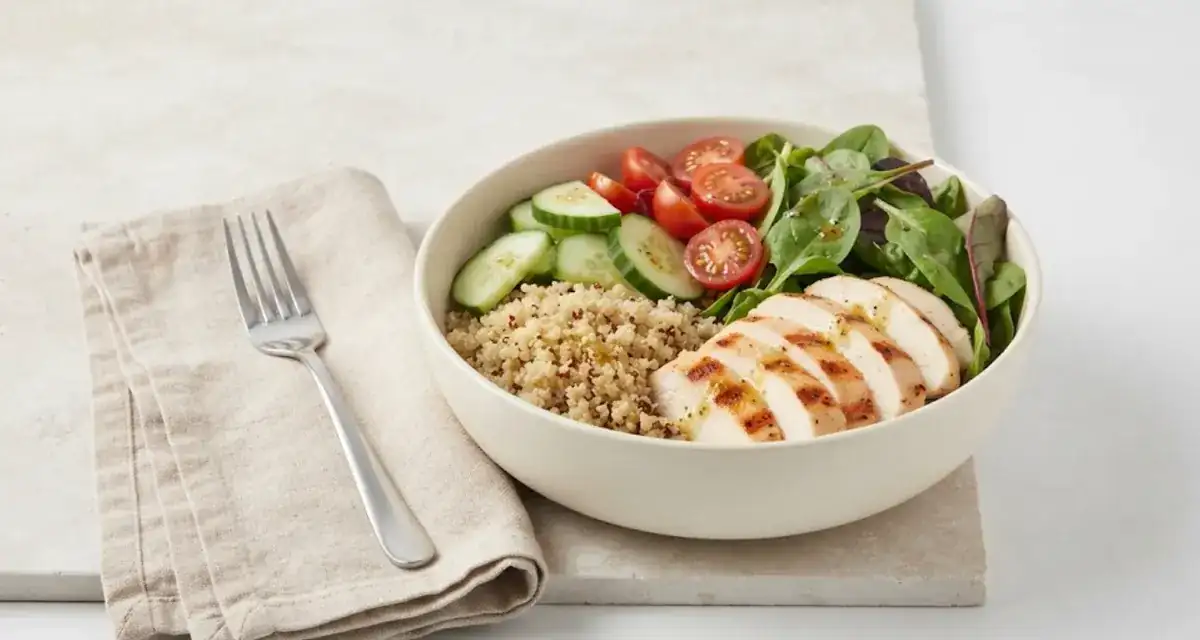 Easy healthy lunch ideas
Things that make fasting days easier Affiliate links
Ad disclosure: Glowsince earns a commission if you buy through these links, at no cost to you.