Does olive oil break a fast?
By the calorie rule, yes, it does. Here is why some people use it anyway, what we do and do not know, and an easier way to enjoy it.
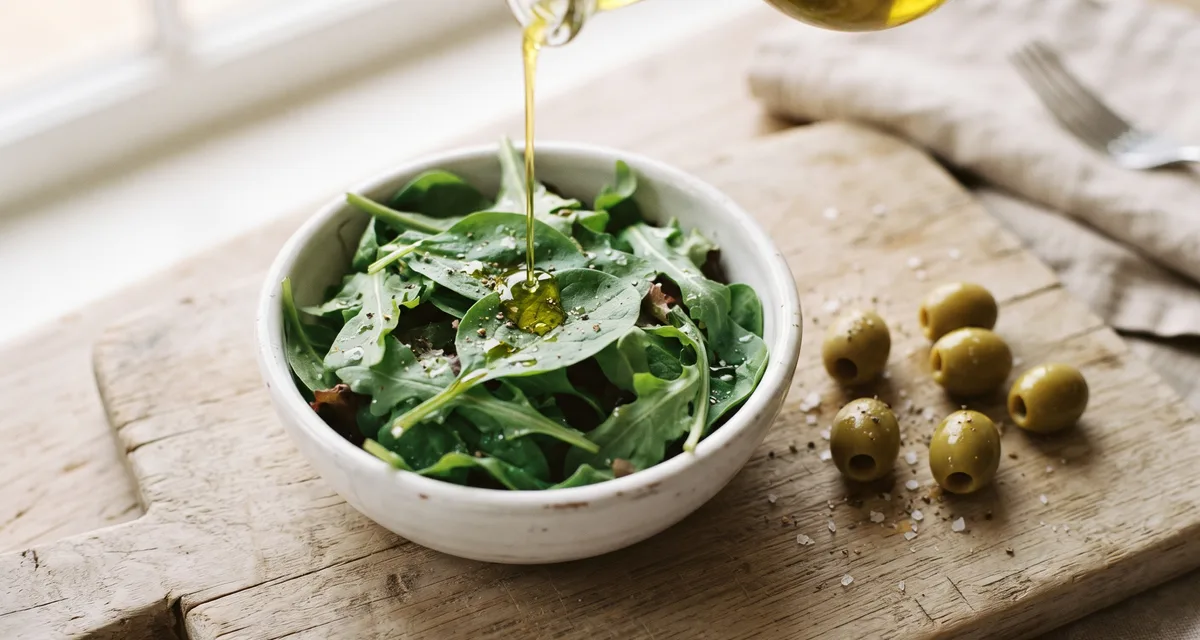
A spoonful of olive oil in your morning coffee, or straight from the bottle, is a habit you may have seen online. Does it keep your fast going? Short answer: no, by the usual definition. A fast ends when you take in calories, and olive oil is all calories.
The numbers
Olive oil is pure fat, and fat is the most calorie-dense nutrient. One tablespoon has about 120 calories and about 13.5 grams of fat. A strict fast means no calories, so olive oil breaks it.
Why some people take it anyway
- Fat does not raise blood sugar the way carbohydrates do, so some people say it does less harm to a fast. That is true as far as blood sugar goes, but the calories are still there.
- Some use it to curb hunger. A little fat can feel filling, so a spoonful may get you through a long morning.
- Some follow low-carb or keto styles, where fat is part of the plan.
Keep your meals and routines in one place
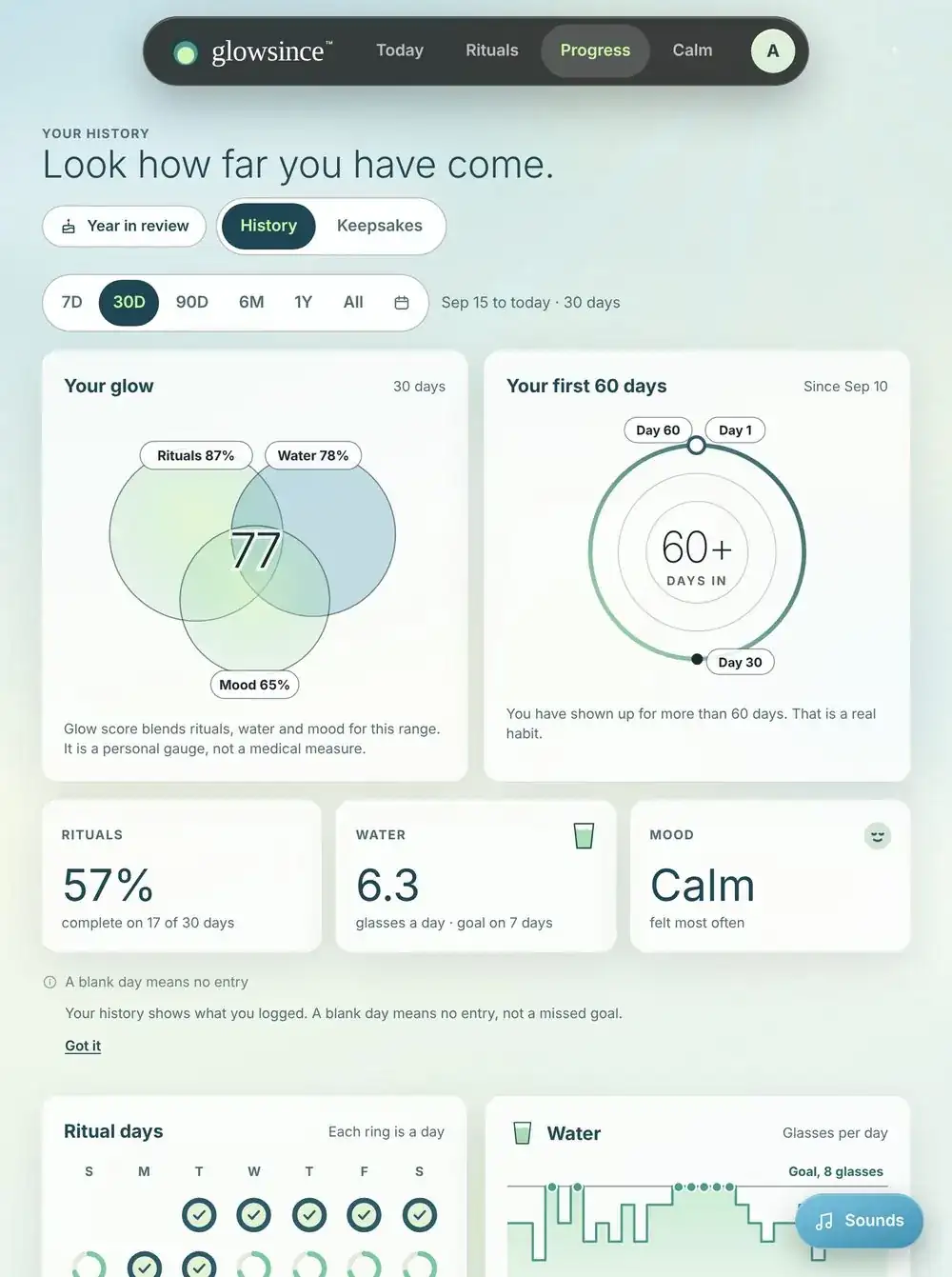
Log meals, water and your daily rituals in one private journal. Free, no sign-up, and it stays on your device.
Open Glowsince
What we do not know
We did not find solid research showing that fat during a fast keeps the benefits people hope for from fasting. So treat that idea as unproven, not as a rule.
What olive oil is good for
Olive oil is a healthy fat, and it shines in food. A large U.S. study followed nearly 93,000 adults, and people who used more than about half a tablespoon a day had a lower risk of heart disease. The likely reason is that they used olive oil in place of butter, margarine and mayonnaise. It was an observational study, so it cannot prove cause and effect. The American Heart Association also notes that olive oil is high in monounsaturated fat, and that extra virgin olive oil is the least processed type.
How to decide
- Fasting for a blood test or procedure: no oil. Follow your care team's instructions exactly.
- Fasting for a strict or spiritual reason: no oil. Follow the rules of that practice.
- Fasting for weight or routine: think of the fast as ending when you add oil. If you need a spoonful to get through the morning, a small early meal may work better for you.
- Enjoying it: drizzle it on your first meal, such as vegetables, eggs, beans or a salad, when your window opens.
Watch the portion
Oil is easy to over-pour. A tablespoon is about 120 calories, and a quick glug can be two or three. Use a measuring spoon or a mister until you get a feel for it.
When to talk to a professional
If you have a medical condition, take medication, or are pregnant, ask your doctor or a registered dietitian before changing how you fast or eat.
This is general wellness information, not medical advice.
Sources
Keep reading
 Does stevia or a sweetener break a fast?
 Intermittent fasting for beginners
 Why you get hungry at night
Small tools for using oil well Affiliate links
Ad disclosure: As an Amazon Associate, Glowsince earns from qualifying purchases. Buying through these links costs you nothing extra.