Sleeping better when the days get short
When the days get short, many people feel sleepier, groggier or wake at odd hours. A few small changes to light, timing and your evening can help you rest better through the dark months.
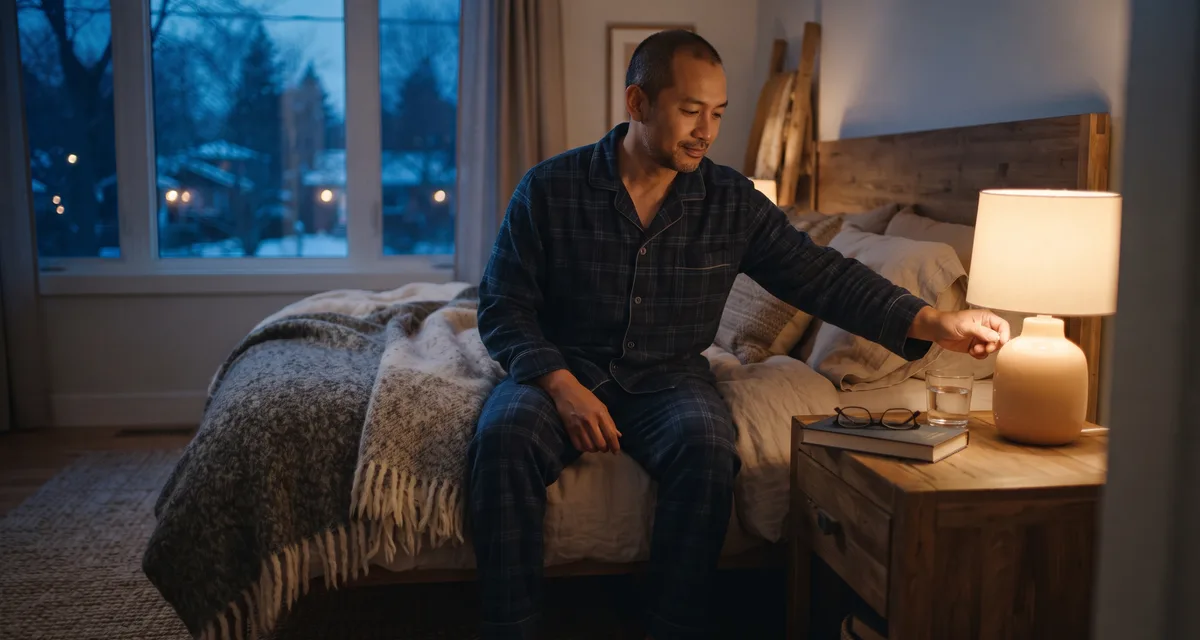
Why winter changes how you sleep
Your body clock is guided mostly by light. Shorter days mean less bright light in the morning and more darkness in the late afternoon, which can nudge your sleep and mood. Many people notice they want to sleep more in winter, and that is common.
Colder weather, heavier food, less movement and a fuller holiday calendar can add to it.
Get light early in the day
Aim for some outdoor light within an hour or two of waking, even on a cloudy day. Daylight outside is far brighter than indoor lighting. A short walk, a coffee by a bright window or the commute on foot all count. The winter morning light habit has a simple way to start.
Keep a steady schedule
Going to bed and waking at about the same time each day, including weekends, helps your body clock settle. Try to keep it within an hour. If you want to shift your bedtime, move it by 15 minutes every few days rather than all at once.
Dim the evening
In the hour before bed, lower the lights and switch to lamps. Put screens away or turn them down. Warm light and a calm routine tell your body the day is ending. The evening wind-down routine has ideas you can mix and match.
Keep your routines steady all season
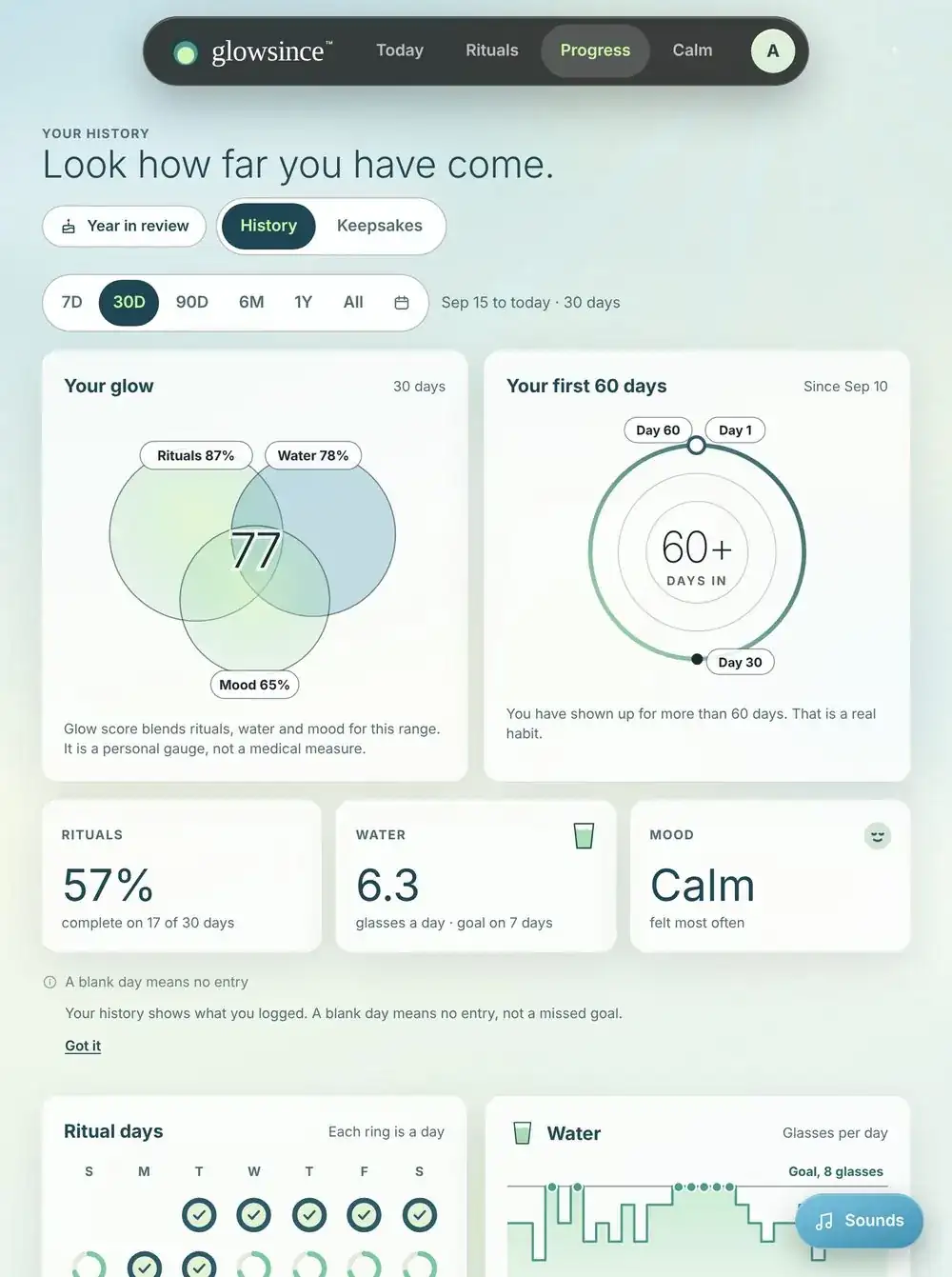
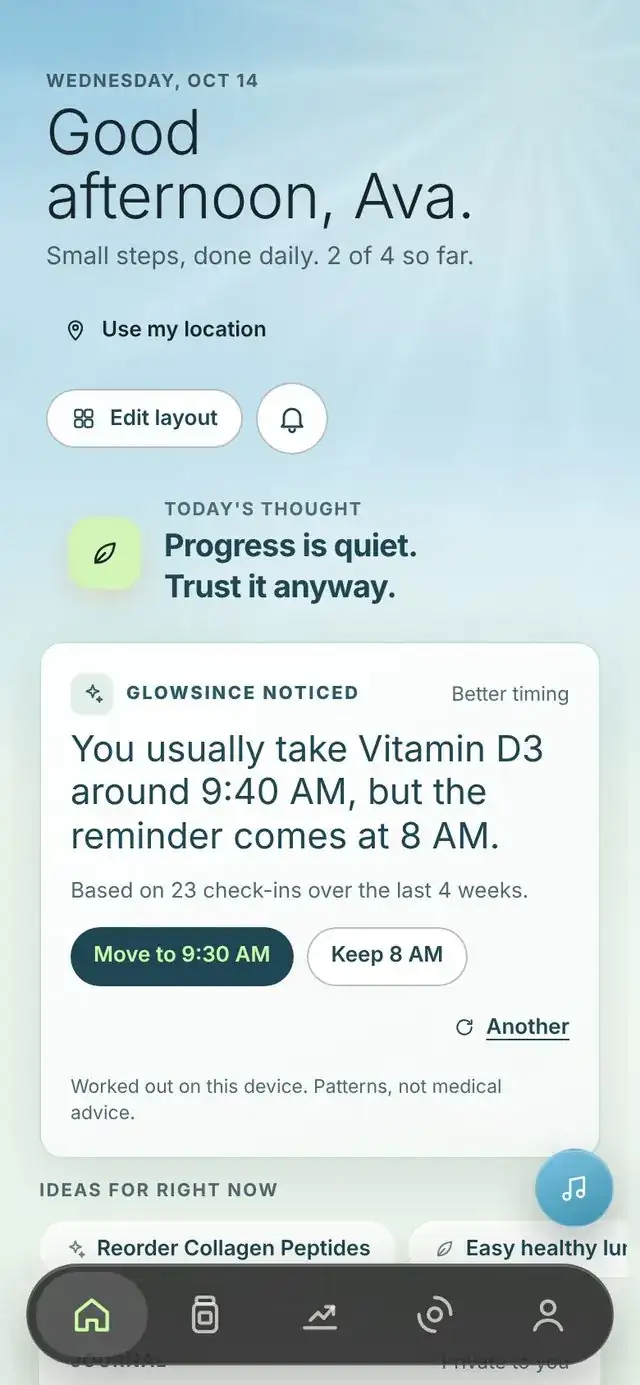
Log meals, water and your daily rituals in one private journal. Free, no sign-up, and it stays on your device.
Open Glowsince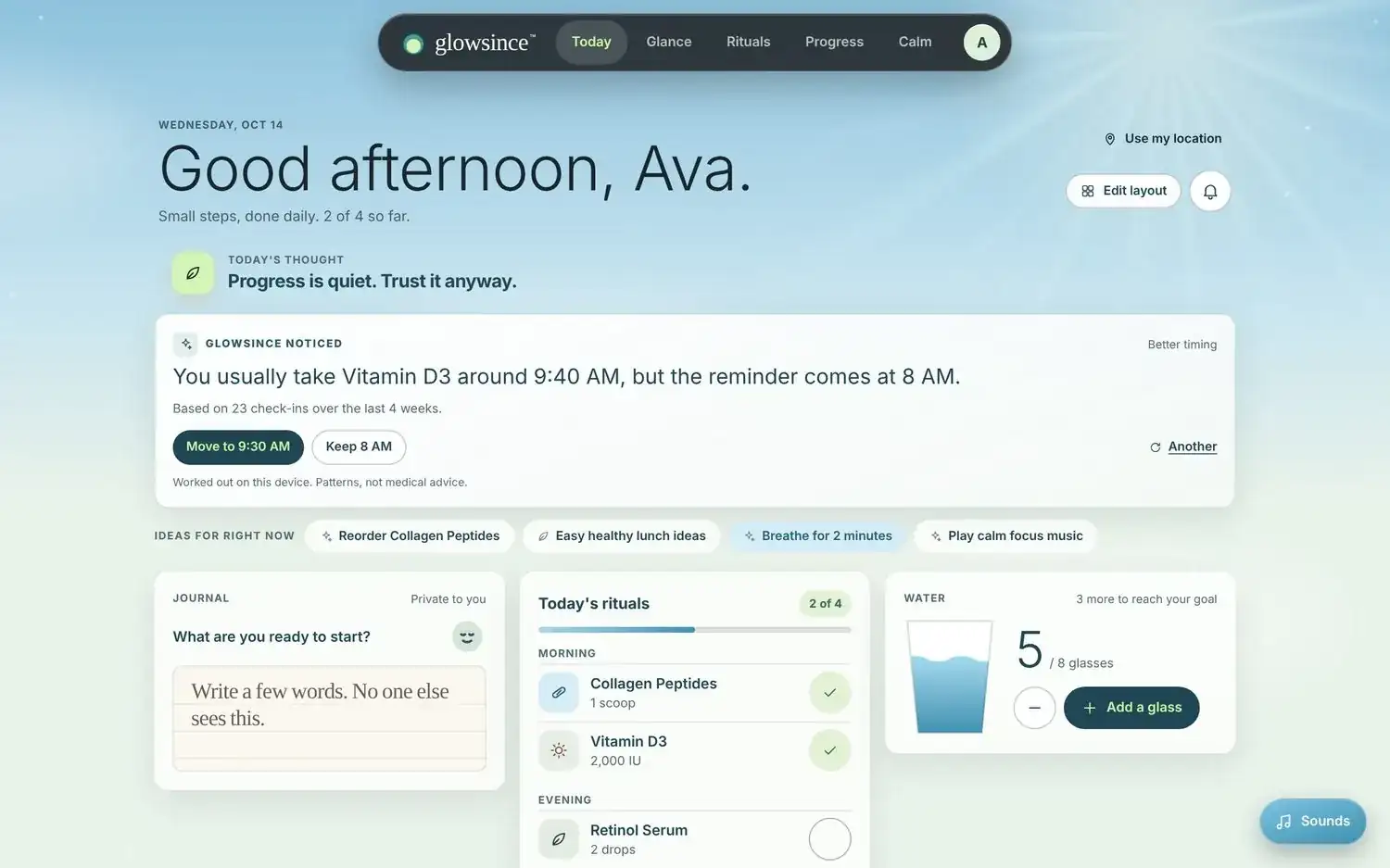
Keep the bedroom cool, dark and quiet
Most people sleep better in a cool room, around 65 to 68 degrees Fahrenheit (18 to 20 degrees Celsius), with a warm blanket instead of a hot room. Close the curtains, silence notifications and keep the bed for sleep.
Mind food, caffeine and alcohol
Try to finish caffeine by early afternoon and have dinner a few hours before bed. Alcohol can make you drowsy but tends to break up sleep later in the night. A small snack is fine if you are hungry.
Track it for two weeks
If your sleep feels off, note your bedtime, wake time, caffeine and how rested you felt. The two-week sleep diary makes patterns easy to spot, and it is useful to bring to a doctor if you need one.
This guide is general wellness information, not medical advice. If you snore loudly, stop breathing in your sleep, feel very low for weeks or cannot function during the day, talk to a doctor.
Keep reading
 A calmer holiday budget
 A kind year-end reflection
 A calmer Thanksgiving plan
Things that help with winter sleep Affiliate links
Ad disclosure: Glowsince earns a commission if you buy through these links, at no cost to you.